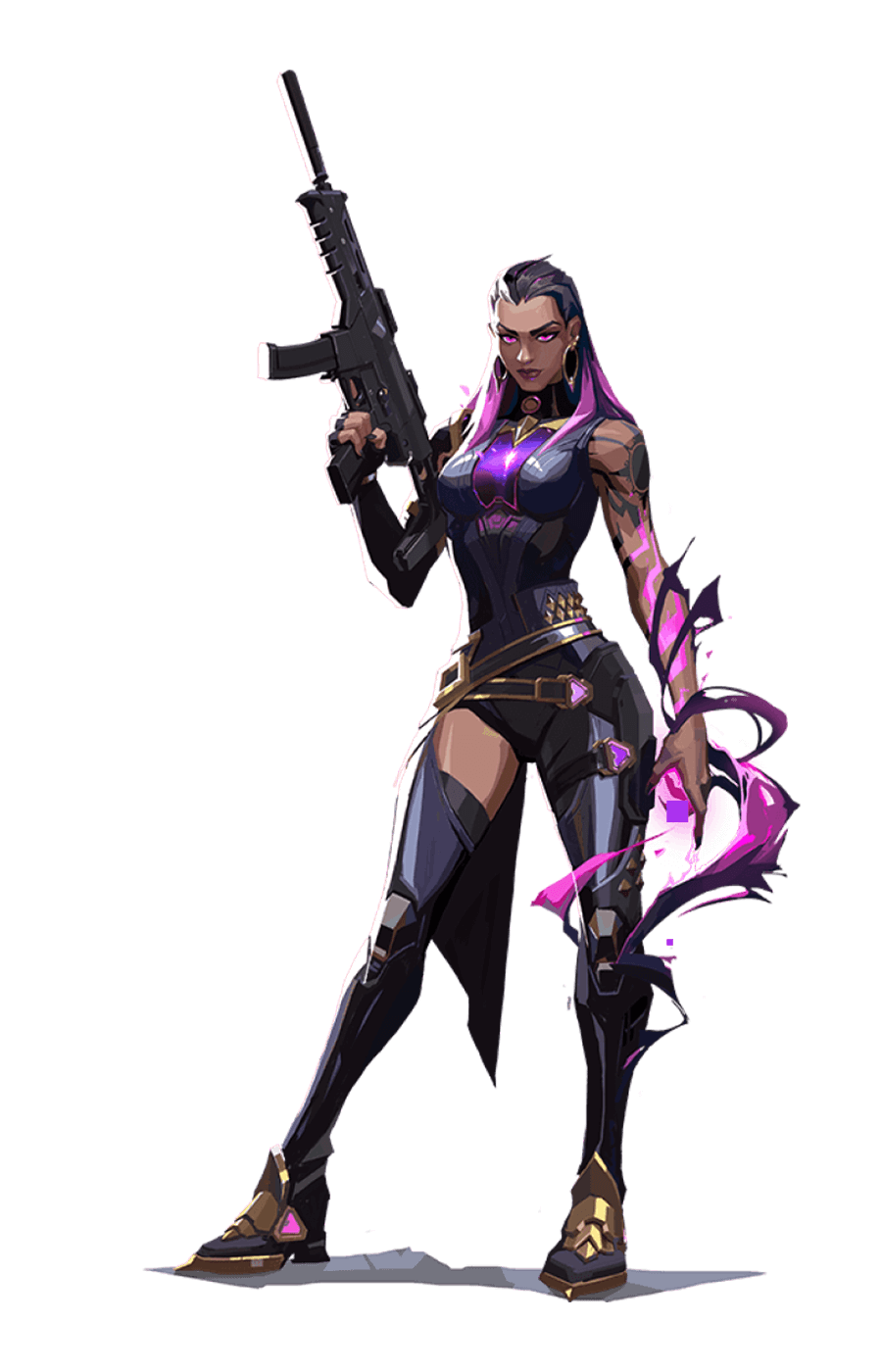





Valorant is the tactical first-person shooter from Riot Games, released in 2020 as the studio's first entry into the FPS genre after the monumental success of League of Legends. Built from the ground up for competitive integrity, Valorant combines precise gunplay mechanics inspired by Counter-Strike with ability-based agent gameplay that adds a strategic layer unique to the genre. The game quickly established itself as one of the premier esports titles globally, with over 20 million monthly active players and a professional circuit -- the Valorant Champions Tour (VCT) -- that spans four international leagues (Americas, EMEA, Pacific, and China) and culminates in the annual Champions event with multi-million dollar prize pools.
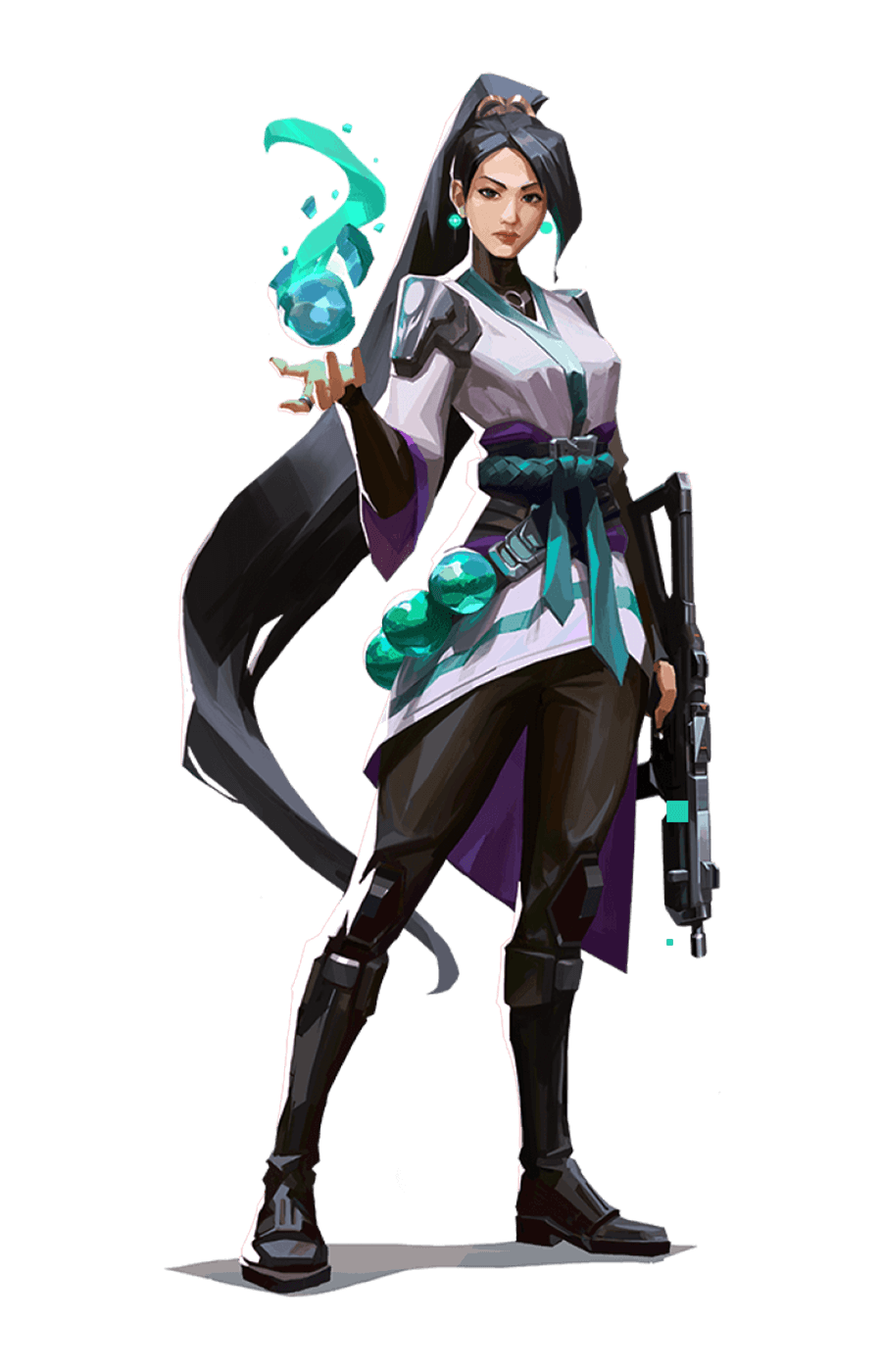
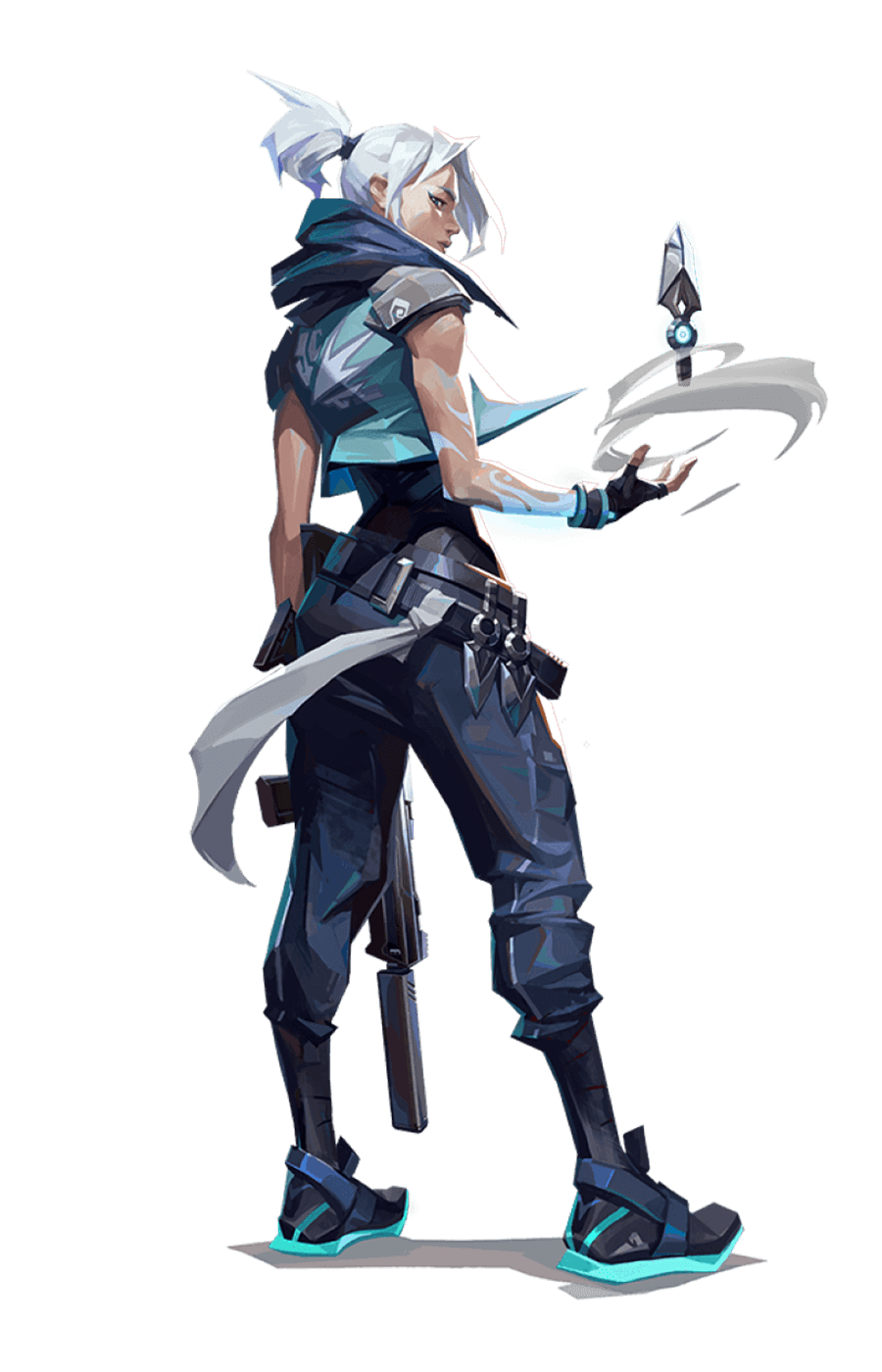
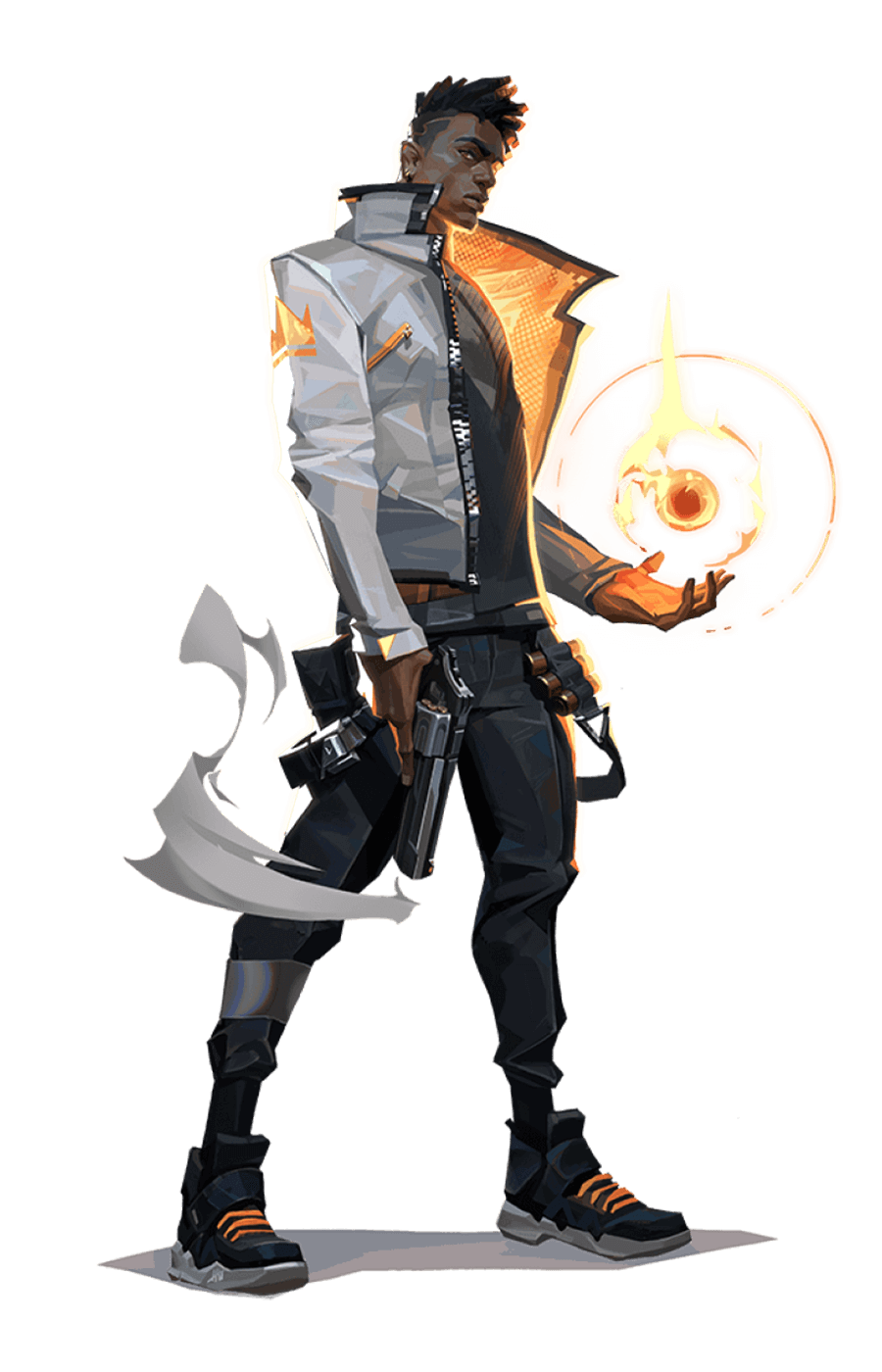
The core gameplay is 5v5 attack-and-defense across a rotating map pool. One team attacks, attempting to plant the Spike at one of two or three bomb sites; the other team defends, trying to prevent the plant or defuse the Spike after it goes down. Rounds last 100 seconds, and the first team to win 13 rounds takes the match, with overtime rules in competitive and professional play. What distinguishes Valorant from other tac shooters is its agent system: 25+ unique characters divided into four roles. Duelists (Jett, Raze, Phoenix, Reyna, Yoru, Neon, Iso) are self-sufficient fraggers designed to take space and win duels. Controllers (Brimstone, Viper, Omen, Astra, Harbor, Clove) deploy smokes and area denial to control sightlines and territory. Initiators (Sova, Breach, Skye, KAY/O, Fade, Gekko) gather information and set up engagements for their team. Sentinels (Sage, Cypher, Killjoy, Chamber, Deadlock, Vyse) lock down sites, hold flanks, and provide utility that makes attackers think twice before pushing. Each agent has four abilities -- one signature ability that recharges each round, two purchasable abilities, and an ultimate that charges through kills, spike actions, and orb collection.
The gunplay in Valorant is built on a foundation of precision and discipline. Weapons follow a predictable spray pattern that can be mastered through practice, with recoil resetting after a brief pause in firing. The arsenal is designed for specific economic and tactical roles: Sidearms (Classic, Shorty, Frenzy, Ghost, Sheriff) serve as eco-round and backup weapons; SMGs (Stinger, Spectre) offer high fire rate and mobility at close range; Shotguns (Bucky, Judge) dominate close-quarters angles; Rifles (Bulldog, Guardian, Phantom, Vandal) form the backbone of buy rounds, with the Phantom vs Vandal debate being one of the game's longest-running strategic discussions; Snipers (Marshal, Operator) control long sightlines and demand precision; and Heavy weapons (Ares, Odin) provide suppressive fire and wall penetration. The economy system is central to competitive strategy: teams must manage credits across rounds, deciding when to full-buy, force-buy, or save based on their current bank and the opponent's economic state.
The map pool currently rotates between seven active maps, each with a distinct identity and strategic demands. Ascent (Venice, Italy) is a two-site map defined by its mid control and mechanical doors. Bind (Morocco) features one-way teleporters that enable rapid rotations and creative executes. Haven (Bhutan) is the only three-site map, demanding flexible defensive setups and coordinated attack coordination. Split (Japan) uses verticality and zip lines to create a unique combat flow. Icebox (Russia) features close-quarters combat with elevated platforms and horizontal zip lines. Lotus (India) uses rotating doors, breakable walls, and three-site layout. Sunset (Los Angeles) combines classic two-site design with a dense mid area. Each map demands different agent compositions and strategic approaches, and map-specific mastery -- knowing every callout, common angle, wall-bang spot, and lineup position -- is what separates good players from elite ones at higher ranks.
The competitive ecosystem is the heart of Valorant. The ranked mode features nine tiers (Iron, Bronze, Silver, Gold, Platinum, Diamond, Ascendant, Immortal, and Radiant), each with three sub-ranks except Radiant which is a single leaderboard of the top 500 players per region. Matchmaking uses a hidden MMR (Matchmaking Rating) that considers individual performance alongside win-loss record, with performance bonuses accelerating the climb for consistently impactful players. The VCT professional circuit represents the pinnacle of competition, with partner teams in each international league competing across split seasons and Masters events to qualify for Champions, the world championship. The game receives major updates roughly every two weeks, with balance patches, new agents (typically three per year), new maps, and seasonal content drops keeping the meta in constant evolution. Patch notes analysis has become essential reading for competitive players, as even small number changes to ability costs, weapon stats, or agent mechanics can shift the meta dramatically.
ValGuide covers every aspect of this tactical landscape. Our agents section profiles every character with detailed ability breakdowns, map-specific strategies, and lineup collections. Our maps section provides complete tactical guides with callout diagrams, attack defaults, and defensive setups for every site. Our weapons section compares every gun with spray patterns, damage charts, and economy recommendations. Our ranked guide covers the MMR system, climbing strategies, and role-specific improvement advice. And our esports section tracks the VCT meta, team rosters, and tournament results. Whether you are learning your first agent or grinding to Radiant, ValGuide is built to give you the strategic edge you need.
Fresh Content
Trending
Which agents dominate each map in the current meta — complete breakdown with win rate data.
Read Guide30-minute daily aim routine that improved over 10,000 players' headshot percentage by 15%.
Read GuideComplete callout guides for all 10 maps — communicate like a pro with your team.
Read GuideCharacters